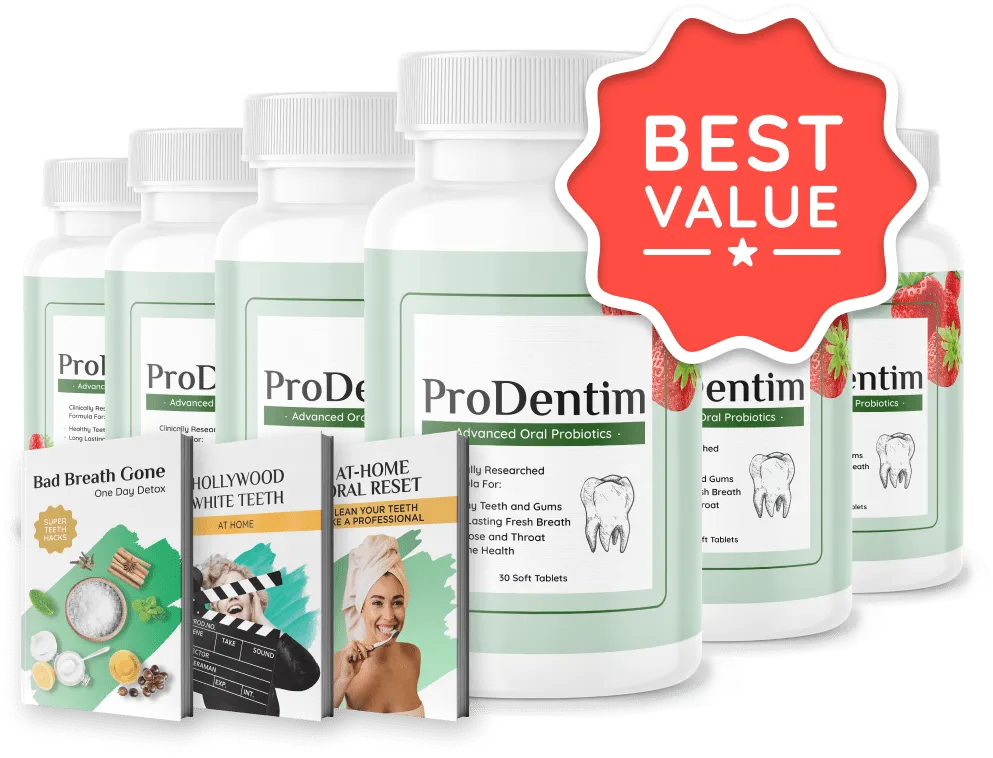
The oral microbiome is the second-largest microbial community in the human body, after the gut. It contains over 700 identified bacterial species, plus fungi, viruses, and archaea. The way these organisms compete and cooperate determines almost everything about whether your gums bleed, your breath stays fresh, and your enamel holds up over decades. This page explains how the oral microbiome works and why it matters more than most dental advice acknowledges.
What Lives in Your Mouth
A healthy adult mouth hosts roughly 50 to 100 billion bacteria at any given moment, distributed across distinct ecological niches: the tongue dorsum, the buccal mucosa (cheek lining), the supragingival biofilm on tooth surfaces, the subgingival biofilm below the gumline, the hard palate, and the tonsillar crypts. Each of these is a microenvironment with its own oxygen tension, pH, and nutrient supply, and each selects for a different microbial community. The bacteria on your tongue are not the same as the ones in your gum pockets.
The single most important concept in modern oral microbiology is biofilm. Bacteria in the mouth do not float freely the way they do in a petri dish; they form structured, multi-species communities anchored to surfaces by a matrix of polysaccharides and proteins. Plaque is biofilm. So is tongue coating. So is the bacterial film inside a deep periodontal pocket. Biofilms are much harder to disrupt than free-floating bacteria, which is why mechanical brushing matters and why chemical mouth rinses alone often fail.
Eubiosis vs Dysbiosis
Microbiologists describe the healthy state as eubiosis: a diverse, stable community dominated by commensal species that out-compete pathogens through sheer numbers and metabolic activity. The unhealthy state is dysbiosis: reduced diversity, overgrowth of a few harmful species, and a shift in metabolic outputs toward acids and inflammatory compounds.
Dysbiosis is what produces clinical problems. It does not look like "bad bacteria moved in." It looks like the balance tipped. The same species that lived peacefully at low population for years suddenly bloom and dominate, often because something gave them an opening. Smoking gives them an opening. High-sugar diets give them an opening. Prolonged antibiotic courses give them an opening. So does aging, which gradually shifts salivary flow and gum tissue.
The Five Pathogens That Matter Most
If you understand five organisms, you understand most of the oral microbiome trouble adults face:
- Streptococcus mutans — the primary cariogenic species. It ferments sucrose into lactic acid, which demineralizes enamel. Tooth decay.
- Porphyromonas gingivalis — the keystone pathogen in chronic periodontitis. It produces gingipain enzymes that break down host tissue and triggers a destructive immune response. Gum disease.
- Aggregatibacter actinomycetemcomitans — associated with aggressive periodontitis, especially in younger patients.
- Tannerella forsythia and Prevotella intermedia — co-conspirators with P. gingivalis in the so-called "red complex" of periodontal pathogens.
- Volatile-sulfur-producing bacteria on the tongue (often Solobacterium moorei, Atopobium parvulum) — the actual source of most chronic bad breath.
Where Probiotics Fit
A traditional dental approach attacks dysbiosis by killing bacteria: chlorhexidine rinses, alcohol mouthwash, antimicrobial toothpaste. These work, but they also reduce the beneficial population, which can leave the system more vulnerable when the antimicrobial pressure stops. The probiotic approach is the opposite: instead of killing what is already there, you introduce beneficial species and let them compete for adhesion sites, nutrients, and pH conditions. The goal is to nudge the community back toward eubiosis rather than scorch the field.
A 2024 randomized trial of inulin (a prebiotic that selectively feeds beneficial bacteria) showed measurable shifts in the oral microbiome composition over 30 days, supporting the idea that the community can be deliberately reshaped (PMID 38919384). A 2024 shotgun metagenomic study confirmed that essential oil mouthrinses meaningfully shift the microbial composition of the tongue and supragingival biofilm (PMID 38762482). The community is not static. It responds to inputs.
Strain-Level Effects in the ProDentim Formula
The three probiotic strains in ProDentim each play a different role. Lactobacillus paracasei ET-22 competes with cariogenic and periodontal pathogens at adhesion sites (full review in our L. paracasei article). Lactobacillus reuteri produces reuterin, an antimicrobial small molecule, and has the most direct evidence for reducing pocket depth in periodontitis patients (PMID 21523225). Bifidobacterium lactis BL-04 has shown immune-modulating activity in respiratory tract studies and is included partly for its effect on the throat and nasopharyngeal end of the oral cavity (see our dedicated BL-04 article).
The Diet-Microbiome Connection
Microbial composition changes within days of dietary change. Diets high in refined sugar and refined carbohydrate feed S. mutans and other acidogenic species. Diets high in fiber, fermented foods, and polyphenol-rich plants support a more diverse, less acidic community. Probiotic supplements work best when the underlying diet is not actively undermining them. There is no probiotic that can outwork three sodas a day.
Saliva: The Forgotten Variable
Saliva is the most important factor in oral microbial control and the most overlooked. It buffers acid, washes away food debris, delivers antimicrobial proteins (lactoferrin, lysozyme, defensins), and remineralizes early enamel demineralization with calcium and phosphate. A dry mouth is a dysbiotic mouth. Medications that reduce saliva (antihistamines, antidepressants, diuretics, opioids, certain blood pressure drugs) are a major hidden cause of cavities and gum disease in older adults. Anyone on long-term medications should ask their dentist to check resting and stimulated salivary flow. We cover saliva again in our gum health after 40 article.
What Disrupts the Oral Microbiome
- Smoking and vaping. Both shift the community toward periodontal pathogens and reduce diversity.
- Frequent snacking. Every eating event drops pH for roughly 30 minutes. Six snacks means six pH drops; one large meal means one.
- Mouth breathing. Especially during sleep, this dries the oral mucosa and selects for anaerobes.
- Acidic beverages. Sparkling water, citrus juice, sports drinks, kombucha. The acid itself damages enamel and shifts the community.
- Long courses of broad-spectrum antibiotics. These reset the community in ways that are not always favorable on the rebound.
- Chronic stress and poor sleep. Both alter immune surveillance at the gumline.
What Supports a Healthy Oral Microbiome
- Twice-daily brushing with fluoride toothpaste for two minutes.
- Daily interdental cleaning (floss or interdental brushes).
- Tongue cleaning, particularly the posterior third where most odor-producing bacteria live.
- Adequate water intake to maintain salivary flow.
- Fiber-rich, lower-sugar diet with fermented foods.
- Periodic professional cleaning to disrupt biofilm in pockets you cannot reach.
- Targeted oral probiotic supplementation as an adjunct, not a substitute.
The Honest Takeaway
The oral microbiome is finally getting the research attention it deserves, and probiotic dentistry is one promising application of that research. ProDentim's formula reflects a thoughtful read of the literature: three well-characterized strains, a prebiotic (inulin) to support them, and supporting nutrients for the enamel and saliva. The benefit is real but incremental. The microbiome is shaped every day by what you eat, how you breathe, and what you do at the sink. A daily chewable tablet helps. So does the boring stuff.
Editorial note: Reviewed by Dr. Emily Carter, DDS. Last updated May 12, 2026. Source citations linked inline. See our editorial policy.