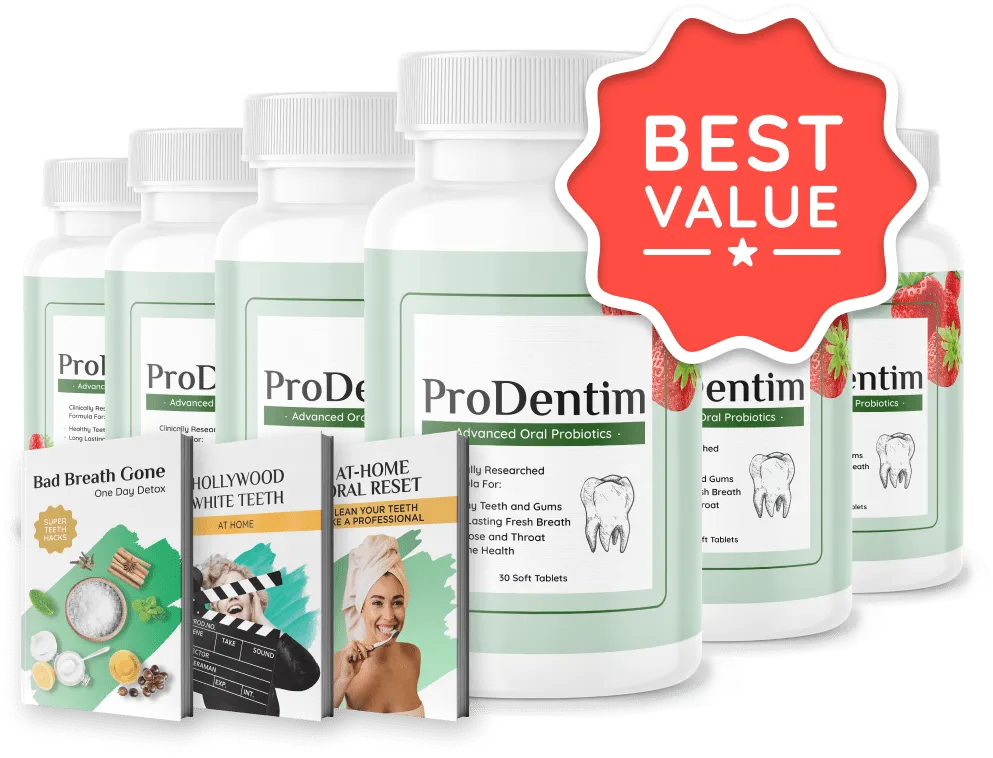
Lactobacillus paracasei is one of the better-studied probiotic species for gum-related outcomes, and it is the probiotic strain that anchors the ProDentim formula. This page walks through what the bacterium actually does inside the mouth, what the peer-reviewed literature has shown, and where the limits of the evidence sit. It is written for readers who want more than a sales-page bullet point.
What L. Paracasei Actually Is
Lactobacillus paracasei is a Gram-positive, facultatively anaerobic, rod-shaped lactic acid bacterium. It is found naturally in dairy products, fermented vegetables, and the human gastrointestinal tract. In the mouth, certain strains are able to adhere to the oral mucosa and salivary pellicle, which is the protein film that coats every tooth surface within seconds of brushing. That adhesion is the foothold from which any probiotic effect must begin: a bacterium that simply passes through the mouth on its way to the stomach cannot influence the local microbiome.
Different strains of L. paracasei behave differently. The ProDentim formula specifies the ET-22 strain. ET-22 was isolated and characterized for oral applications and has been included in chewable probiotic preparations for several years. Other commercially studied paracasei strains include SD1, GMNL-143, and Lpc-37; each was selected based on adhesion properties or specific antimicrobial activity against oral pathogens.
The Specific Pathogens It Competes With
Three bacterial species drive most of the trouble in adult mouths: Streptococcus mutans, the prime cariogenic species responsible for cavities; Porphyromonas gingivalis, the keystone pathogen in chronic periodontitis; and Aggregatibacter actinomycetemcomitans, associated with aggressive periodontitis. All three thrive when the oral biofilm shifts toward a low-oxygen, low-pH environment and when host defenses are inflamed.
What L. paracasei appears to do, based on in vitro and human studies, is compete with these species for adhesion sites and for nutrients. It also produces lactic acid and short-chain fatty acids that subtly shift the local pH, which is unfavorable to several anaerobic pathogens. Some strains additionally produce bacteriocins, which are small antimicrobial peptides with selective activity. This combination of physical competition and chemical inhibition is the proposed mechanism for the gum benefits seen in trials.
The Headline Trial: Experimental Gingivitis
A 2022 trial published in the Journal of Clinical Periodontology used the experimental gingivitis model, which is the gold-standard human model for testing oral interventions. Healthy volunteers stop brushing one quadrant of their mouth for 21 days while researchers measure the resulting inflammation. Investigators tested a probiotic lozenge containing L. paracasei against placebo and found a statistically significant reduction in bleeding on probing and plaque indices in the active group (PMID 35434705). The effect size was modest but the design was rigorous.
A more recent randomized trial published in 2024 looked at gingivitis in adult patients and reported similar findings: the L. paracasei arm showed reduced gingival inflammation versus placebo after eight weeks of daily lozenge use (PMID 38643116). Both studies emphasize that probiotics did not replace standard oral hygiene; they reduced inflammation in patients who continued to brush.
Why Strain Specificity Matters So Much
One of the most common mistakes in probiotic marketing is treating "Lactobacillus paracasei" as a single thing. It is not. The species contains hundreds of identified strains, and adhesion, acid tolerance, bacteriocin production, and immune-modulating effects can vary dramatically from one strain to the next. A probiotic study that uses ET-22 cannot be used to support claims about a yogurt that lists "L. paracasei" without a strain number.
The implication for consumers is simple: when you read a probiotic supplement label, look for the strain designation. ProDentim's label specifies ET-22, which is the recommended practice and aligns with how regulators like the EFSA treat probiotic identity. Read more on this in our dental probiotic guide.
Delivery Matters: Why Chewables and Lozenges
For a gut probiotic, a capsule that releases in the small intestine is appropriate. For an oral probiotic, that delivery defeats the entire purpose. The bacteria need to make contact with the salivary pellicle, the tongue, and the tooth surfaces. That is why nearly every oral probiotic trial has used a lozenge, chewable tablet, or chewing gum format. ProDentim uses a soft chewable tablet that dissolves in the mouth, which keeps the active cells in contact with oral surfaces for several minutes.
This is also why timing matters: an oral probiotic taken after brushing, when the mouth is freshly cleared of biofilm, has a much better chance of establishing temporary residence than one taken with breakfast.
What the Studies Do Not Show
Honest reporting requires saying what we do not yet know. The current trials show L. paracasei reduces markers of gingivitis. They do not show it reverses established periodontitis with bone loss, regrows lost tissue, or eliminates the need for professional scaling. They also do not show effects on cavities that survive past the duration of probiotic use; once you stop the supplement, the resident microbiome generally returns to its pre-treatment state within weeks. The benefit, in other words, is conditional on continued use.
None of this makes L. paracasei useless. It makes it a maintenance tool, similar to mouthwash, and not a one-time cure.
Safety Profile
Lactobacilli including L. paracasei have a long history of safe use in food. Reported adverse events in oral probiotic trials are rare and typically mild: occasional bloating or transient changes in stool. Serious infections from probiotic Lactobacilli have been documented but are extremely rare and confined to severely immunocompromised patients, often with central venous catheters. For healthy adults, the safety profile is favorable. We discuss this more in our ingredients breakdown.
Where This Fits in a Total Oral Health Plan
Think of L. paracasei the same way you think of flossing: an evidence-supported addition that compounds when combined with the basics. The basics for adults are brushing twice daily with fluoride toothpaste, cleaning between teeth daily, and a professional cleaning every six months. A daily oral probiotic on top of that can reduce gingival inflammation and freshen breath. Skipping the basics and relying on the probiotic alone will not work. See our benefits page for what is reasonable to expect.
Bottom Line on L. Paracasei
The published evidence supports a modest but real benefit for gingival health when L. paracasei ET-22 is delivered as an oral lozenge or chewable tablet, in combination with standard hygiene, taken consistently over weeks to months. ProDentim's formula uses this strain at a CFU count consistent with study doses. It is a reasonable adjunct. It is not a replacement for the dentist.
Editorial note: This article was written and medically reviewed by Dr. Emily Carter, DDS. Last updated May 12, 2026. PubMed citations are linked inline. See our editorial policy for our sourcing standards.